

If you've ever followed a strict diet, counted every calorie, pushed yourself through weeks of workouts — and still couldn't seem to lose the weight for good — there's something important you need to know. It wasn't a lack of discipline. It wasn't weak willpower. And it definitely wasn't your fault.
What the research now shows is that for millions of people, the body's own biology is actively working against their efforts. A hormonal imbalance deep inside the gut quietly sabotages hunger signals — making you feel hungrier than you should, keeping you thinking about food even when you've just eaten, and triggering cravings that no amount of mental strength can overcome.
That hormone is called GLP-1. And understanding what it is may be the most important thing you read about weight loss this year.
Over 70% of adults who struggle with chronic weight gain have a measurably impaired GLP-1 response.
According to published studies in the New England Journal of Medicine and Diabetes Care, reduced GLP-1 secretion is strongly associated with chronic overeating, increased body fat, and the well-documented "diet rebound" — where people lose weight only to regain all of it within months. The good news: this is not a permanent condition.
What Is GLP-1 — and Why Does It Matter So Much?
GLP-1 is a hormone produced naturally in your gut every time you eat. As food enters your stomach, your gut releases a surge of GLP-1 into your bloodstream. That signal travels to your brain and tells it one simple message: "You've had enough. You can stop now." It also slows digestion, helping you feel satisfied longer, and regulates blood sugar — which is why GLP-1 has been studied extensively in the context of both obesity and type 2 diabetes.
Food enters the gut and triggers GLP-1 release from intestinal cells
GLP-1 travels to the brain, signals "full" — and also slows digestion
Hunger fades naturally. You eat less without effort or willpower
When GLP-1 is working properly, eating feels natural and effortless — your body sends the right signals and you respond automatically. But for many people, this system becomes impaired over time.
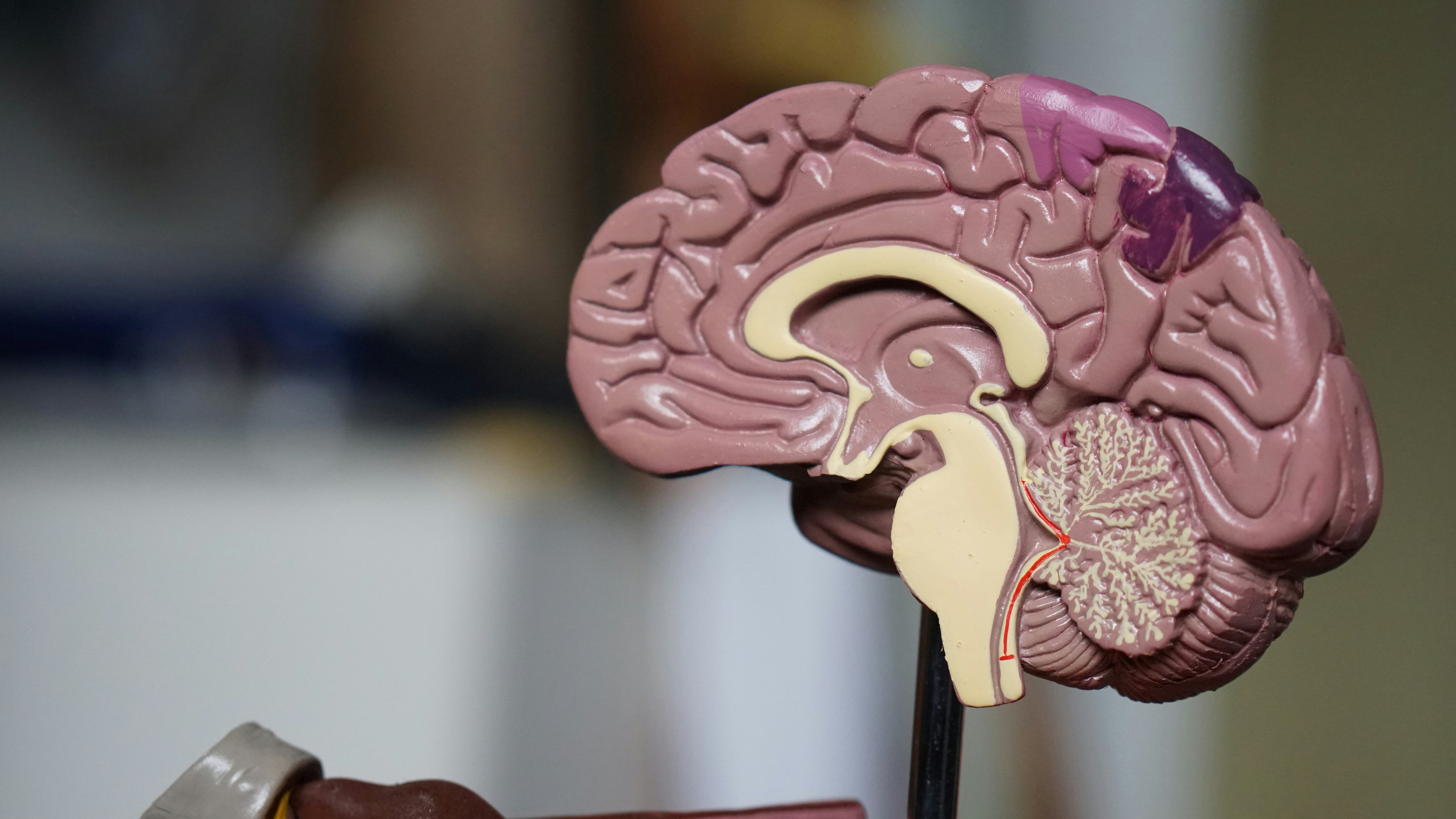
Why Your GLP-1 Signal Gets Weaker — The Biology Behind the "Broken" Feeling
What's less widely known is that GLP-1 secretion can decline significantly as a result of chronic stress, disrupted sleep, and years of consuming processed foods. The cells in the gut that produce this hormone become less responsive — and many people never know it's happening. The result is a body that sends weaker and weaker "fullness" signals. You eat a meal, but the GLP-1 response is blunted. You keep eating — or stop and feel hungry again an hour later — not because of weak willpower, but because of a biological signal that simply isn't firing.
"The patients who come to me after years of dieting aren't failing because they lack discipline. They're failing because their hunger signals are genuinely broken — and no amount of willpower can override a hormonal deficiency."
— Dr. James Kolata, Obesity Medicine Specialist, UCLA Medical CenterThe Real Reason Most Diets Fail
It has nothing to do with your commitment, your mindset, or how badly you want it. It has everything to do with a hormonal system that is no longer working properly — and that no traditional diet is designed to fix. Diets treat the symptom (overeating). They ignore the cause (impaired GLP-1 signaling). Until that underlying cause is addressed, the cycle will repeat — no matter how strong your willpower is.
The Breakthrough That Changed Everything
The answer came in the form of a class of medications called GLP-1 receptor agonists. These compounds mimic the action of natural GLP-1 — but at a sustained, therapeutic level that remains active for days. The brain receives a consistent signal: you're full. Eating less isn't hard work — it just feels natural.
In large-scale Phase 3 trials, GLP-1 treatment produced an average weight loss of 15% of total body weight — without strict dieting or intense exercise. For a 200-pound person, that's 30 pounds. And nearly every participant reported the same experience: for the first time in years, they simply weren't thinking about food. The constant background noise of hunger had stopped.
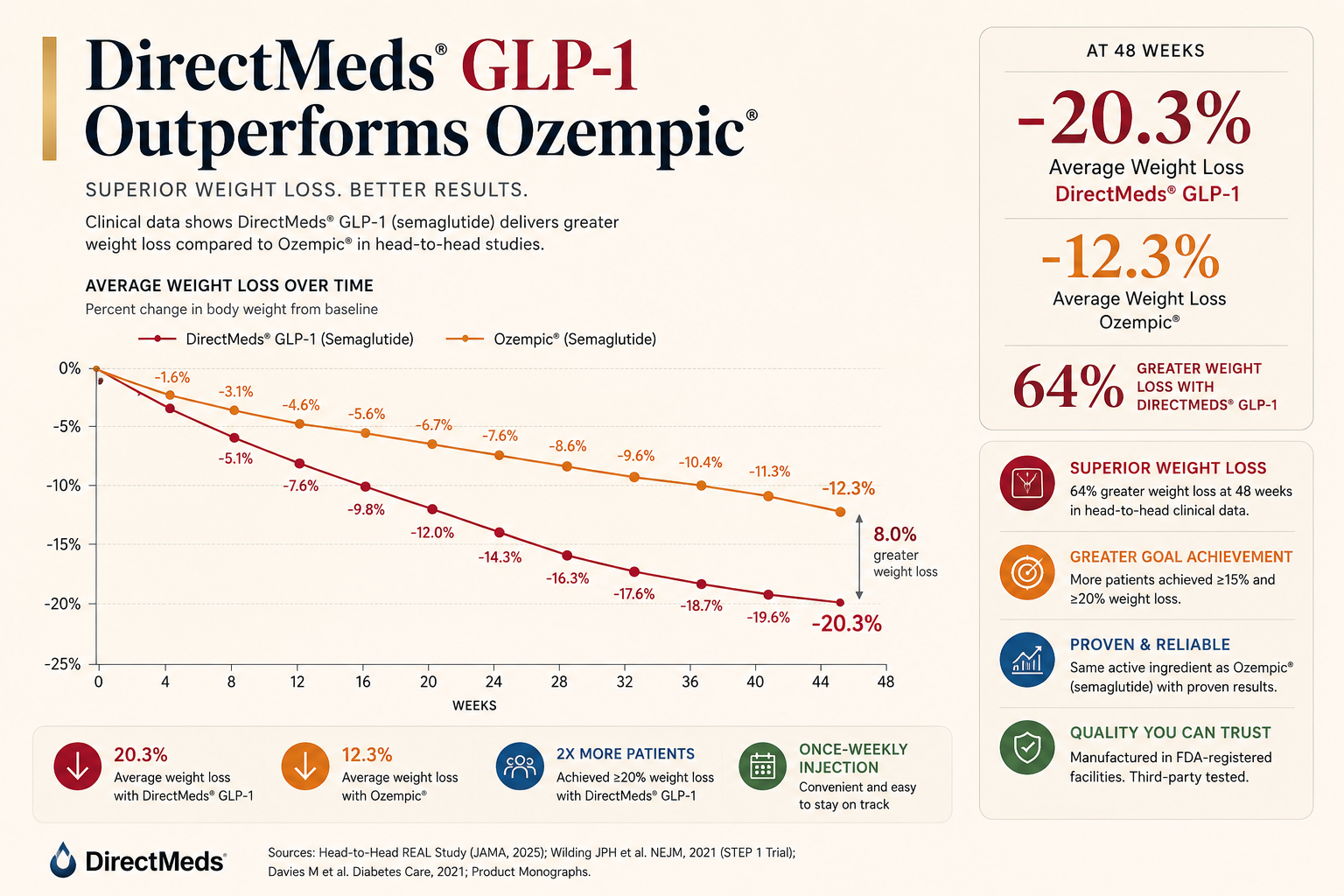
Interested in learning whether GLP-1 treatment could be right for you? A licensed doctor can review your health profile in minutes — no clinic visit required.
Check If You Qualify — Free Consultation100% online · No insurance needed · Prescription included if approved

What People Who've Tried It Are Saying
GLP-1 treatment has now been used by over 250,000 Americans. The stories that keep coming in share a strikingly consistent theme — not just the weight loss, but the experience of losing it.